Featured
New U.S. Tariff Regime Keeps Pressure on India’s Gem & Jewellery Exports Despite Competitive Advantage
Date: 27 July 2026
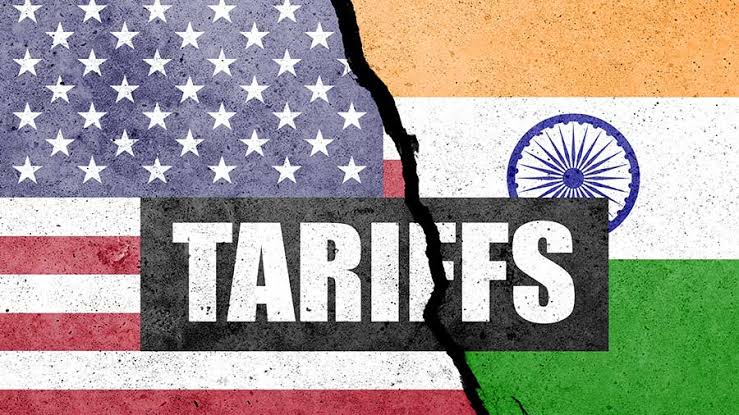
India’s gem and jewellery exporters continue to face headwinds in the United States following the introduction of a new tariff framework that retains an additional 10% duty on Indian exports, even as the country secures a competitive advantage over several global trading hubs.
The Gem & Jewellery Export Promotion Council (GJEPC) said it has taken note of the United States’ transition to the new Section 301 tariff regime, which came into effect on 24 July 2026. While the additional tariff on Indian gem and jewellery exports remains unchanged at 10%, India has been placed in the lower tariff band after adopting measures prohibiting imports produced through forced labour.
Under the revised framework, several competing manufacturing and trading centres—including China, Hong Kong, Thailand, Türkiye, the UAE, Israel and Vietnam—are now subject to a 12.5% additional tariff, giving Indian exporters a 2.5 percentage-point advantage in the U.S. market.
However, the Council cautioned that the tariff continues to present significant challenges for the industry. Jewellery exports from India remain subject to the existing U.S. Most Favoured Nation (MFN) duty of 5.5–6%, in addition to the new 10% Section 301 tariff, resulting in an effective import duty of approximately 15.5–16%.
Natural diamonds remain another area of concern. While the European Union, particularly Belgium, continues to enjoy zero additional tariff on natural diamond exports to the United States, comparable Indian-origin diamonds continue to attract the additional 10% duty, creating a competitive disadvantage for Indian exporters.
Commenting on the development, Kirit Bhansali, Chairman, GJEPC, reaffirmed that India’s gem and jewellery sector has long adhered to responsible sourcing and ethical business practices. He welcomed the Government of India’s recent amendment to the Foreign Trade Policy prohibiting the import of goods produced wholly or partly through forced labour, describing it as an important step towards aligning India’s trade framework with internationally accepted labour standards.
At the same time, GJEPC reiterated that the continuation of the additional tariff remains a concern for exporters. The Council said it will continue engaging with the Government of India to pursue an early India–U.S. Bilateral Trade Agreement (BTA) and seek tariff relief for natural diamonds and coloured gemstones to improve the global competitiveness of Indian exports.
Market Insight
Trade policy has become an increasingly important factor shaping the competitiveness of the global gem and jewellery industry.
While India’s placement in the lower tariff band offers a relative advantage over several competing manufacturing hubs, exporters continue to operate at a disadvantage in categories such as natural diamonds, where other trading centres enjoy more favourable market access.
For India’s gem and jewellery sector, the next phase of export growth will depend not only on manufacturing strength and craftsmanship but also on trade negotiations that improve market access and reduce tariff barriers. As geopolitical developments increasingly influence global commerce, policy decisions are becoming as significant to exporters as consumer demand itself.
Source: Gem & Jewellery Export Promotion Council (GJEPC). Edited by the Jewellers Digest editorial team for clarity, style and context.
Related Articles

Forevermark Diamond Jewellery Expands into East India with Kolkata Boutique
Platinum Jewellery’s Next Growth Story Will Be Driven by Women, Men and Weddings
CIBJO to Adopt ‘Synthetic’ as Standard Term for Man-Made Gemstones from September 2026