
Articles
Israel’s Diamond Exports Fall to Historic Low as Industry Confronts Structural Challenges
Date: 27 July 2026
The global diamond trade is entering a period of significant realignment, with one of its most established trading centres facing an unprecedented downturn.
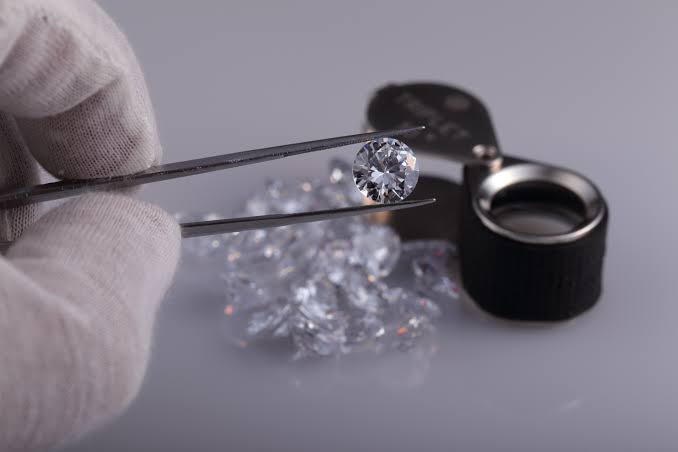
According to figures released by Israel’s Diamond Controller’s Office, the country’s cumulative diamond exports reached US$2.4 billion during the first half of 2026—the lowest level recorded in the industry’s history. A decade ago, Israel’s polished diamond exports peaked at approximately US$7 billion, highlighting the scale of the sector’s transformation.
Total trade, including rough diamond imports and exports, has also contracted sharply, falling to around US$4 billion, compared with nearly US$12 billion during the industry’s strongest years.
Describing the situation as unprecedented, Diamond Controller Natalie Gutman said Israel’s diamond trade today operates at roughly one-third of the volume recorded a decade ago, with the industry experiencing a sustained decline since 2022.
For decades, Israel was regarded as one of the world’s leading diamond trading and polishing centres, particularly for large and high-value diamonds. While the country continues to retain expertise in polishing larger stones and coloured diamonds, the competitive landscape has changed considerably.
The rapid emergence of Dubai as a global diamond trading hub has attracted businesses with its strategic location and favourable tax environment, while the growing adoption of lab-grown diamonds has placed additional pressure on demand for natural stones. Slowing consumer demand in key markets, particularly China, has further weighed on the industry.
More recently, exporters have also had to contend with the 10% U.S. tariff on diamond imports, a significant development given that the United States has historically been one of Israel’s most important export destinations.
Against this backdrop, Nissim Zuaretz, President of the Israel Diamond Exchange, announced his resignation after two years in office, a move expected to bring forward elections for the exchange’s leadership.
Zuaretz warned that increasing competitive pressure from international trading centres and domestic policy challenges have made it increasingly difficult for Israel’s diamond industry to retain its historic position. He also noted that some businesses have already shifted operations to competing markets in search of more favourable trading conditions.
Israeli authorities are currently engaged in discussions with the United States regarding tariff relief, while industry representatives are also seeking policy measures to strengthen the sector’s competitiveness.
Global Edit
The challenges facing Israel’s diamond industry illustrate how rapidly the global diamond trade is evolving.
For much of the twentieth century, centres such as Antwerp, Tel Aviv and New York shaped the international movement of diamonds. Today, that landscape is becoming increasingly dynamic. Emerging trading hubs, changing consumer preferences, geopolitical developments and the rise of lab-grown diamonds are reshaping traditional supply chains and competitive advantages.
The story is no longer about the decline of a single trading centre. It is about the redistribution of influence across the global diamond ecosystem.
For India’s gem and jewellery industry, these developments carry particular significance. As one of the world’s largest diamond manufacturing and export centres, India operates within the same interconnected network. Shifts in global trade routes, policy decisions and consumer demand have implications that extend well beyond national borders, influencing manufacturing, sourcing and international competitiveness.
Source: Israel Diamond Controller’s Office and Israel Diamond Exchange, as reported by Ynetnews. Edited by the Jewellers Digest editorial team for clarity, style and context.
Related Articles

Forevermark Diamond Jewellery Expands into East India with Kolkata Boutique
CIBJO to Adopt ‘Synthetic’ as Standard Term for Man-Made Gemstones from September 2026
New U.S. Tariff Regime Keeps Pressure on India’s Gem & Jewellery Exports Despite Competitive Advantage