Articles
Indian Consumers Bought Less Gold by Weight, But Spent More Than Ever in Q2 2026
Date: (31.07.26)
As gold prices settled after reaching record highs earlier this year, the market entered a new phase—one shaped not by declining interest, but by changing buying behaviour. The World Gold Council’s Gold Demand Trends Q2 2026 report suggests that while consumers across several markets adjusted the quantity of gold they purchased, confidence in the precious metal remained intact.
In India, total gold demand during the April–June quarter stood at 131.4 tonnes, a 6% decline compared to the same period last year. Yet the overall value of demand climbed to a record ₹1.98 lakh crore, underscoring the impact of elevated gold prices and consumers’ willingness to continue investing in the metal despite higher costs.
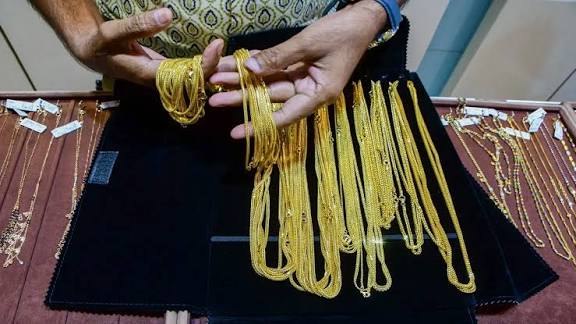
The jewellery segment reflected this shift most clearly. Volumes declined 15% year-on-year to 75.1 tonnes, but the value of jewellery purchases rose to ₹1.13 lakh crore, supported by seasonal buying during festivals such as Akshaya Tritiya and Gudi Padwa. Rather than stepping away from gold, consumers increasingly opted for lighter-weight designs, lower-carat jewellery and exchange programmes to balance affordability with long-term value.
Investment demand remained resilient. Demand for gold bars and coins rose 9% year-on-year to 50.3 tonnes, while Indian gold ETFs recorded 4.2 tonnes of net inflows during the quarter, highlighting continued investor confidence in gold as a portfolio diversifier amid an uncertain economic environment.
Globally, total gold demand remained broadly unchanged at 1,269 tonnes in the second quarter. While inflows into gold-backed exchange-traded funds moderated as prices eased from earlier highs, demand from over-the-counter markets strengthened, particularly across Asia. Central banks also continued to reinforce their long-term commitment to gold, adding 289 tonnes to official reserves during the quarter.
According to the World Gold Council’s latest Central Bank Gold Reserves Survey, 45% of participating central banks intend to increase their gold holdings over the next 12 months, reaffirming the metal’s strategic role in official reserves.
Commenting on the Indian market, Sachin Jain, Regional CEO, India, World Gold Council, said consumers continue to adapt to higher prices without losing confidence in gold. He noted that while purchasing patterns are evolving, gold remains deeply embedded in household savings and investment decisions, with the festive and wedding season expected to support demand in the second half of the year.
The World Gold Council estimates India’s total gold demand for 2026 will range between 650 and 750 tonnes, reflecting continued optimism despite elevated price levels.
Market Insight
The latest figures suggest that the Indian gold market is not weakening—it is maturing.
For years, gold demand was largely measured in tonnes. Today, value tells an equally important story. Consumers are becoming more deliberate in their purchases, choosing lighter designs, upgrading through exchange programmes and treating gold as both an adornment and a long-term financial asset.
This evolution presents an opportunity for jewellers. As purchasing decisions become increasingly value-conscious, design innovation, flexible product offerings and personalised retail experiences are likely to play a greater role in influencing demand than sheer weight alone.
For the industry, the second quarter reinforces a familiar truth: while buying patterns may change with price cycles, gold’s place in India’s cultural and financial landscape remains remarkably resilient.
At a Glance: India in Q2 2026
- Total gold demand: 131.4 tonnes (↓ 6% YoY)
- Demand value: ₹1.98 lakh crore (↑ 50% YoY)
- Jewellery demand: 75.1 tonnes (↓ 15% YoY)
- Bar & coin demand: 50.3 tonnes (↑ 9% YoY)
- Gold ETF demand: 4.2 tonnes (↑ 49% YoY)
- Gold imports: 98.1 tonnes (↓ 23% YoY)
Source: World Gold Council, Gold Demand Trends Q2 2026. Edited by the Jewellers Digest editorial team for clarity, style and context.
Related Articles
Israel’s Diamond Exports Fall to Historic Low as Industry Confronts Structural Challenges

Jewellery Manufacturer Master Chains N Jewels Files IPO Papers to Raise ₹400 Crore
Meet the man who, without an IIT or IIM degree, couldn’t secure a bank loan and had to sell his mother’s jewellery to build a Rs 2000 crore company.